For 63 Years, Tested by Time
Trusted by Customers
Trusted by Customers
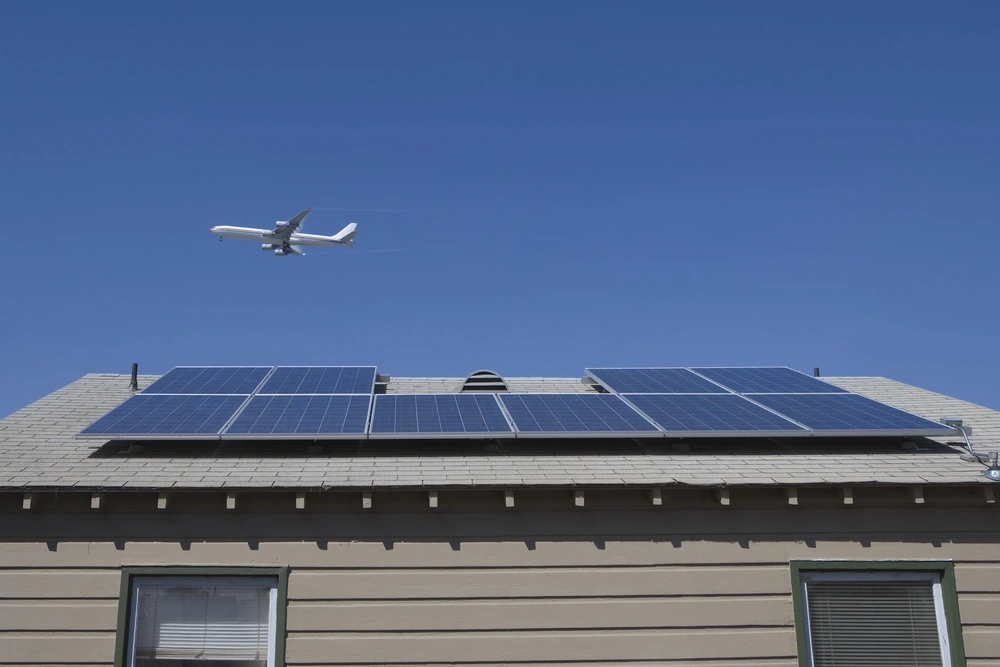
Roofing Contractors in Napa, CA, Explain How to Protect Your Roof When You Go Solar.
Solar panels are a smart investment for many Napa homeowners. They help lower energy bills, reduce your carbon footprint, and make the most of California’s sunshine. But while most people focus on the benefits of the panels themselves, there’s one part of the system that can’t be ignored: the roof underneath.
Your solar panels are only as reliable as the roofing system they’re attached to. If the roof is aging, damaged, or poorly maintained, you could end up dealing with roof leaks or even a premature roofing replacement, often with the added cost and hassle of removing and reinstalling panels.
In this guide, we’ll look at how solar panels interact with your roof, how the installation process can affect roof health, the roofing maintenance to prioritize after installation, and when to call a roofing company for a professional roof inspection.
Solar panels don’t automatically harm a roof. When they’re installed correctly on a solid structure, they can safely coexist with your roofing for decades. But they do change how that roof behaves and how you care for it over time.
Instead of being a simple weather barrier, your roof becomes the foundation for a mounted system with added weight, hardware, and coverage. That means:
The roof now supports the additional load of the solar array.
Mounting brackets and fasteners usually penetrate the roofing surface to reach the rafters.
Large sections of the roof may be hidden from view, which makes damage harder to spot.
Panels can create pockets where leaves and debris collect, especially near valleys and gutters.
Because of all this, homeowners with solar panels need a more intentional approach to roofing maintenance and roof inspections than those with a standard roof.
The best roofing maintenance plan for a solar home actually starts before the first panel goes on. If a roof is already near the end of its lifespan, adding a solar array on top can become an expensive problem later. You might find yourself paying for both a roofing replacement and panel removal/reinstallation far sooner than planned.
Before or shortly after solar installation, it’s smart to schedule a roof inspection with a licensed roofer, not just the solar installer. During this visit, the roofer will look closely at the overall health of the roof, including:
The age and condition of shingles, tiles, or metal panels
Any areas of curling, cracking, or missing roofing materials
The state of flashing, vents, and other roof penetrations
Signs of roof leaks or moisture damage in the attic or on the roof deck
Any sagging or soft spots that might indicate structural issues
This baseline helps you understand how much life is left in your current roof and whether any roof repair or roofing maintenance work should be done to support the solar system long term.
Once your solar panels are in place, routine roof inspections become even more critical. A standard inspection for a home with solar should cover everything a standard roof inspection would, but with extra care around the mounting hardware and any penetrations.
Instead of just glancing at the surface, a qualified roofer will move methodically through key areas that are most likely to cause problems over time, including:
Flashing and Penetrations: Anywhere a bolt, bracket, or conduit passes through the roof is a potential path for water. A roofer will inspect the sealant, flashing, and underlayment around those penetrations to make sure they remain watertight and haven’t cracked, shrunk, or pulled away. If these areas begin to fail, you may see roof leaks even when the top of the roof looks fine from the ground.
Shingle or Tile Wear Near Mounts: On asphalt shingle roofing, foot traffic during installation and the pressure from mounts can accelerate wear or granule loss around contact points. On tile roofing types, improperly handled tiles can crack or shift. Your roofer will look for loose, damaged, or missing materials that could expose the underlayment or the roof deck.
Debris Buildup and Drainage: Solar arrays often create small pockets where leaves, branches, and dirt collect, especially near gutters, valleys, or low-slope sections. If debris is allowed to sit, it can trap moisture, encourage the growth of algae or mold, and interfere with proper drainage. During a roof inspection, the roofer will ensure water can flow freely off the roof and into the gutter system, an essential step to prevent roof leaks and long-term damage.
While professional roofers and roof inspections should handle the technical side, there’s still plenty you can keep an eye on from the ground. You don’t have to climb on the roof to catch early warning signs.
Between scheduled visits, watch for things like:
New water stains on interior ceilings or attic surfaces after rain
Gutter overflow or repeated clogs near the area under the panels
Visible sagging in sections of the roof when viewed from the yard or street
Loose or hanging wires or conduit around the solar system
Unusual rattling sounds during high winds, which may indicate shifting hardware
If you notice anything that seems off, it’s time to call a roofer or your solar installer. Avoid walking on the roof yourself, as both solar panels and roofing materials can be easily damaged, and safety is always a concern.
Not every roofing system interacts with solar panels the same way. The type of roof you have, along with the roofing supply and materials, will shape how roofing maintenance is performed and what a roofer looks for during an inspection.
A few common examples:
Asphalt Shingle Roofs: These are common in residential roofing and generally friendly to solar installation, but they rely heavily on proper sealing around mounting brackets to prevent roof leaks. If the roof was already older when the panels went on, the shingles around the mounts may age faster than the rest of the roof and require periodic roof repair.
Tile Roofs (Clay or Concrete): Tile roofing is popular in many California neighborhoods, but more complex when solar is involved. Tiles can crack from foot traffic or from improper cuts to accommodate brackets. Regular inspections help spot hairline cracks and slipped tiles before water reaches the underlayment or wood below.
Metal Roofing: Standing seam metal roofs are often ideal for solar because panels can clamp to the seams without additional penetrations. Even so, seams, fasteners, and flashing still need periodic checks, especially on commercial roofing or on larger spans where temperature changes can loosen hardware over time.
A local roofing company that understands Napa’s common roofing types can recommend the best inspection and maintenance schedule based on your specific roof and solar setup.
At some point, even a well-maintained roof will need more than just inspections. Maybe there’s a minor roof repair needed around a vent, or a section of roofing has reached the end of its life and needs replacement. When solar panels are involved, coordination becomes crucial.
Typically, a roofing contractor and solar company will work together so that:
The solar installer or a qualified electrician temporarily removes and later reinstalls the panels and rails.
The roofing contractors handle underlayment, shingles or tiles, flashing, and any roof leak repair or roofing replacement needed.
In some cases, especially when a roof is approaching its expected lifespan, it may be more cost-effective to plan a full roofing replacement alongside major solar work. That way, your new roof and solar system start on the same timeline, reducing future disruptions and costs.
Skipping roofing maintenance when you have solar panels doesn’t just put the roof at risk. It can make every problem more complicated and expensive to fix. Ignoring the warning signs can lead to:
Hidden roof leaks that travel along the mounts or under the panels before appearing inside.
Rotting roof decking from trapped moisture which weakens the entire roofing structure.
Premature roofing replacement, long before you get full value from the existing roof.
Voided warranties from roofing manufacturers or installers if basic maintenance isn’t performed.
Because solar panels add complexity to any roof repair or roof replacement, catching issues early is the best way to keep costs down and protect your investment.
Not every roofer or every solar installer has experience working on roofs with solar panels. When you’re choosing a roofing company to inspect, maintain, or repair your roof, it pays to look for a team that understands both Napa’s climate and the added demands of solar.
A qualified local roofer can:
Perform a roof inspection that accounts for solar mounts and wiring.
Recommend the right timing for roofing replacement so you’re not paying for extra panel work twice.
Work alongside your solar installer to minimize system downtime.
Tailor roofing maintenance plans to your roofing type, from asphalt shingles to tile or metal.
Whether you’re a homeowner or managing a commercial roofing property, partnering with experienced roofers helps you get the most from both your roof and your solar system.
Modern Method Roofing has proudly served Napa, CA, and the surrounding communities for more than 50 years. As a trusted roofing company, we provide honest recommendations, quality workmanship, and long-lasting solutions for everything from routine roof inspections and maintenance to full roof replacements and roof leak repairs. If you already have solar panels or are considering installing them and want to ensure your roof is ready, contact us today!


4 Positive Review(s)